FUEL SPLASH CAUSED FIRE IN ENGINE ROOM

 VITA ENGINEERING
EXPERIENCE SHARE 12 - FUEL PUMP GASKET FAILURE RESULTING IN AN ENGINE-ROOM FIRE
We were aware that incorrect installation of the
fuel pump inlet gasket had previously resulted in a serious engine-room fire.
When we encountered the same installation mistake on site, we decided to prepare this experience share to raise awareness and help prevent a similar incident.
Incident mechanism:
1. The fuel pump body is designed with a recessed gasket seat. The gasket must be properly positioned and fully seated in the recess before the flange connection is tightened.

2.
If
the connection is assembled in the same way as a conventional flange
connection—for example, by first fitting three bolts and then inserting the
round gasket between the flange and the pump body—the gasket may not seat
properly inside the recess.
It may become trapped between the mating
surfaces and be crushed or split during tightening.
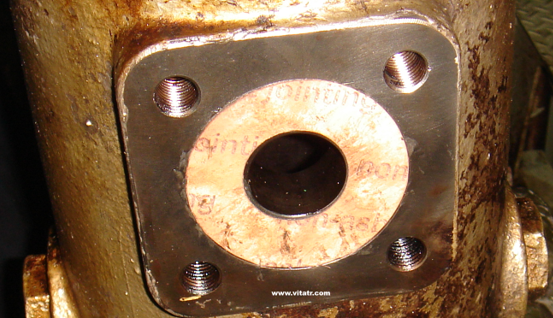
The photographs below show how incorrect installation can damage the gasket.


3. This case demonstrates the
importance of correct gasket installation.
The gasket must be properly positioned and fully seated in the recessed gasket seat before the connection is assembled and tightened. The photographs below show the correct arrangement.


CONCLUSIONS AND RECOMMENDATIONS
- During overhaul or reassembly, confirm that every gasket is correctly positioned and fully seated in the recessed gasket seat, wherever this design is used.
- After maintenance, verify that all bolts and fittings have been correctly reinstalled and tightened to the specified torque. Apply completion marks after tightening so that missing or incomplete tightening can be identified during the final inspection.
- Fit approved anti-spray tape or shielding to exposed fuel-pipe joints near hot surfaces. Replace it immediately if it is missing, damaged or incorrectly installed; never leave such joints unprotected.
- Ensure that fire-safety systems and emergency controls, including water-mist systems, quick-closing valves and emergency stops, are fully operational. All crew members must be familiar with their location and correct operation.
- Following a newbuilding delivery, dry-docking or major maintenance period, monitor the affected equipment closely. Some installation defects may only become apparent after the machinery has returned to service.